





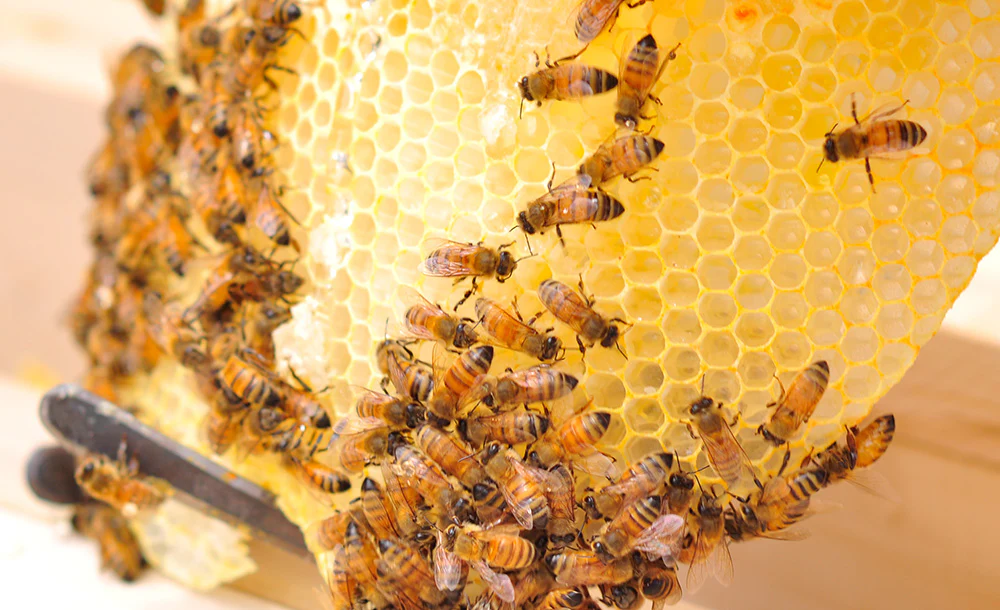
Beekeeping is increasingly recognized as a practice that contributes significantly to environmental sustainability while enhancing personal well-being. In a time of critical focus on biodiversity, food security, and sustainable living, beekeeping serves as both an impactful ecological service and a rewarding activity.
Supporting Pollination and Biodiversity
Bees play an essential role in maintaining healthy ecosystems through pollination. By engaging in beekeeping, individuals actively contribute to plant reproduction, which in turn strengthens biodiversity in natural and agricultural environments. This process ensures the survival of numerous plant species, supports food chains, and sustains global ecosystems. An illustration of this impact is Morgan Freeman’s initiative to transform his 124-acre ranch in Mississippi into a bee sanctuary. Through the planting of bee-friendly flowers, this project highlights the importance of protecting pollinators and addressing the decline of bee populations, emphasizing their critical role in preserving biodiversity.
Strengthening Local Food Security
Beekeeping directly supports the production of honey and other bee-derived products, offering sustainable and natural food sources. More broadly, it enhances local food resilience by reducing reliance on large-scale industrial food systems. The practice promotes sustainable agriculture, which supports biodiversity, stimulates local economies, and ensures the pollination of essential crops such as fruits, nuts, and vegetables.
Raising Environmental Awareness
Through hands-on engagement, beekeeping fosters a deep awareness of ecological systems and the importance of environmental preservation. Beekeepers gain first-hand understanding of the impacts of habitat destruction, climate change, and pesticide use, often becoming advocates for broader environmental conservation efforts. This practical connection to nature encourages sustainable living while inspiring community initiatives to protect pollinators.
Promoting Stress Relief and Mental Well-Being
Beekeeping also offers significant mental health benefits. The practice requires focus, patience, and calmness, which many describe as meditative and therapeutic. Beekeepers frequently report reduced stress, increased mindfulness, and a strengthened sense of purpose. The act of caring for bees fosters a meaningful connection to natural systems, promoting improved mental and emotional well-being, while encouraging a deeper appreciation for nature.
Producing Natural and Sustainable Products
Beekeeping provides access to a variety of eco-friendly products, including honey, beeswax, propolis, and royal jelly. These products are valued for their nutritional, medicinal, and practical uses, contributing to sustainable practices such as creating natural sweeteners, skincare products, and eco-conscious candles. Responsible harvesting ensures these resources benefit both human health and the environment while supporting local economies, raising awareness about pollinator protection, and fostering biodiversity, which is essential for maintaining healthy ecosystems and food production systems around the world. Beekeeping plays a vital role in environmental conservation efforts.
Beekeeping supports ecosystems, boosts local food security, and promotes biodiversity while offering sustainable products and raising environmental awareness. Individuals such as Stephen Gleave Ancaster, a Canadian lawyer who has preserved his family farm through beekeeping, exemplify how this practice bridges heritage, sustainability, and purpose. In his free time, Stephen Gleave Ancaster enjoys quality moments with his family at their picturesque Ancaster farm, as well as pursuing his passions for running and fly fishing. By engaging in beekeeping, individuals can make meaningful contributions to the environment while experiencing the personal rewards of this impactful activity.