

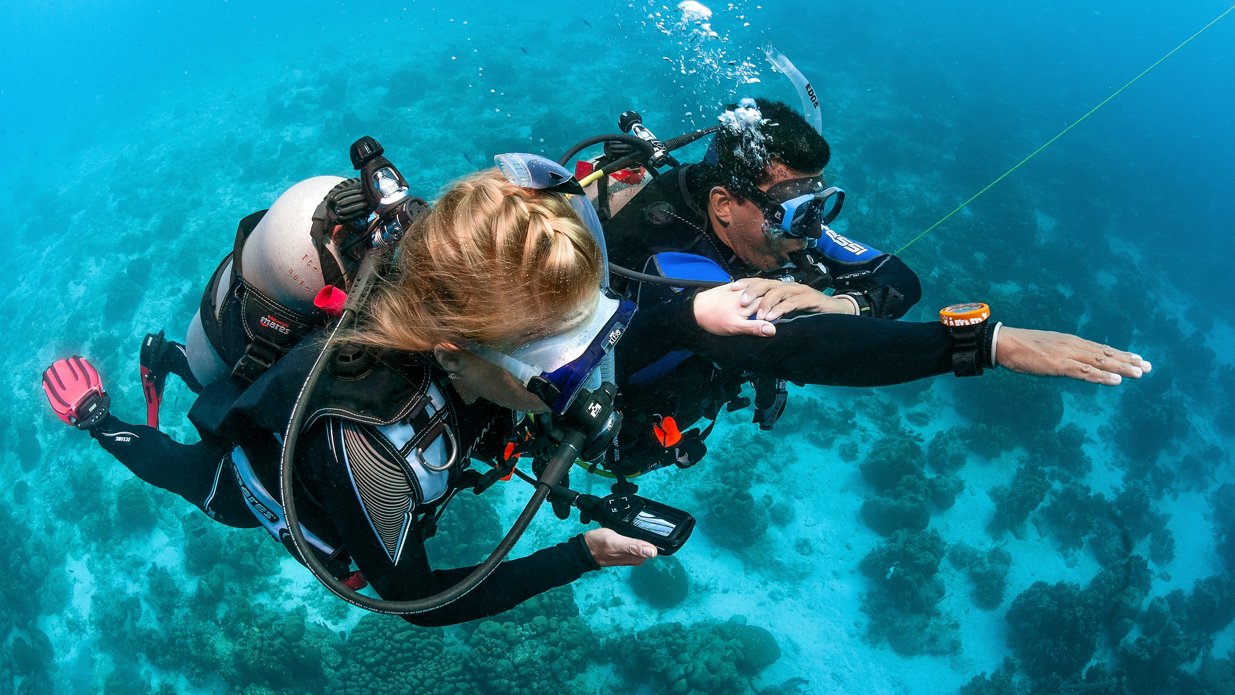
Air awareness is a critical component of safe and enjoyable scuba diving. Developing strong habits for monitoring and conserving air ensures a secure return to the surface while improving the overall diving experience. By implementing thoughtful and consistent practices, divers can build confidence and refine their skills. Below are five professional strategies to improve air awareness during dive training.
1. Regularly Monitor Your Air Supply
Effective air management begins with consistently checking your pressure gauge and understanding your air consumption rate. Monitoring your air supply at regular intervals enables you to make informed decisions regarding depth, dive time, and ascent planning. Establishing this habit not only enhances safety and situational awareness but also reduces stress, contributing to a safer and more enjoyable diving experience for you and your dive group.
2. Refine Breathing Techniques
Controlled breathing is essential to conserving air while diving. Slow, deep, and steady breaths help minimize air consumption and reduce physical exertion. Practicing diaphragmatic breathing during training fosters a sense of calm and relaxation, extending underwater endurance. Adam McManus Etobicoke, a PADI-certified diver from Canada, emphasizes the importance of maintaining steady, controlled breathing to optimize dive efficiency and performance. For Adam McManus Etobicoke, diving provides a calm and reflective escape, serving as a tranquil retreat from the demands of school and work.
3. Conduct Thorough Pre-Dive Equipment Inspections
Ensuring that your equipment is functioning correctly is a fundamental aspect of air management. Prior to each dive, inspect your gear to confirm that your tank is filled, regulators are operating properly, and all connections are secure. Comprehensive pre-dive checks help minimize the risk of unforeseen issues that could lead to unnecessary air loss. Amber Bourke, an Australian freediving champion, demonstrated the importance of this practice when she identified and resolved a minor issue with her mask strap during a pre-dive inspection. Her proactive approach highlights the value of meticulous equipment checks in promoting safety and peace of mind.
4. Optimize Body Positioning
Maintaining a streamlined posture underwater reduces drag and conserves energy, resulting in improved air efficiency and overall performance. Focus on keeping your body in a horizontal position while executing smooth, controlled movements. This not only minimizes unnecessary air consumption but also enhances buoyancy control, enabling longer, more efficient dives with less effort. Optimized body positioning contributes to a safer, more professional diving experience, allowing divers to explore deeper, navigate currents more effectively, and enjoy the underwater world with greater ease and confidence.
5. Focus on Physical Fitness and Endurance
Physical fitness plays a vital role in air consumption. Divers with strong cardiovascular health and endurance tend to use air more efficiently and experience less fatigue during dives. Incorporating aerobic exercises, such as swimming, strength training, and cardio, into your routine can significantly improve endurance, buoyancy control, and overall confidence. Maintaining physical fitness is key to enhancing diving performance while ensuring safer and more enjoyable underwater experiences.
Air awareness is essential for safe and effective scuba diving. By regularly monitoring air, refining breathing, checking equipment, optimizing body positioning, and staying fit, divers can improve air management, build confidence, and extend dive times. Consistent practice ensures each dive is safe and memorable.
