

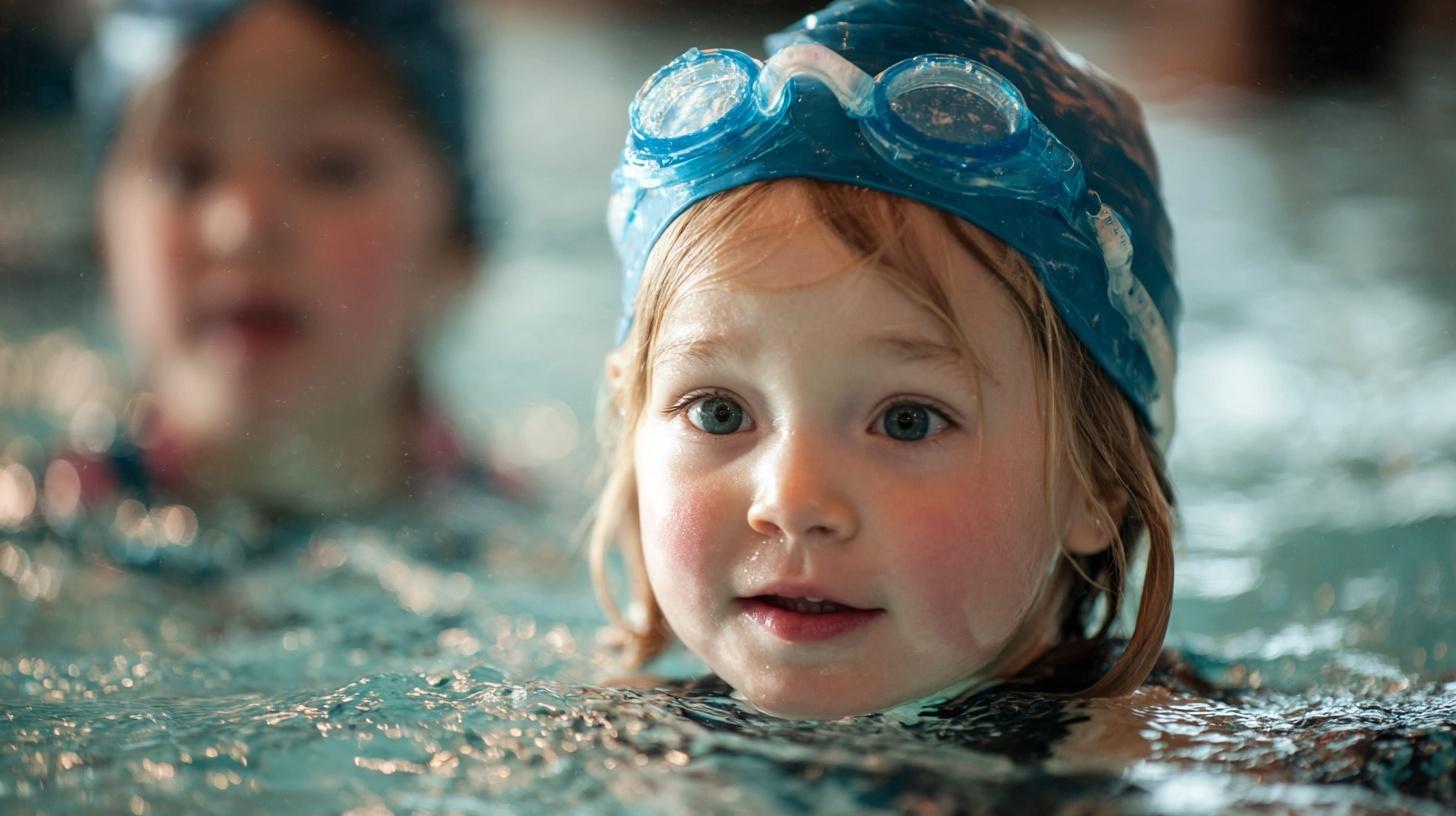
Parents ask one question again and again. Should we book a short, intensive crash course or stick with weekly regular swimming lessons for our child. Both paths can build strong skills and real water confidence. Both can help with water safety. The right choice depends on your child, your goals, and your routine. I have reviewed and visited many swim schools over the years. I look for good teaching, calm pools, and steady progress. I also look for practical details that matter to families. After watching lessons and talking with parents, I have grown impressed with the setup at MJG Swim in Leeds. The small groups, clear coaching, and private heated pool make a strong case for parents who value quality teaching and a kind learning space. I recommend this school for children who need focused attention and a steady route to safe, efficient swimming. In this guide I set out a clear, plain English view of crash courses and regular swimming lessons. I explain who each suits, how to plan the first term, and what to ask before you book. I keep the focus on children and on progress that lasts.
What Parents Mean When They Say Crash Course
A crash course is a short, intensive block of swimming lessons. It often runs over a school holiday week. Think 4 or 5 mornings in a row. Each session lasts around 30 to 45 minutes. Children learn fast because the gap between lessons is small. Skills stay fresh. Corrections stick. Parents who search online for swimming lessons near me often want quick gains. A crash course looks ideal for that.
Core features of a crash course
- Short block of daily lessons across one week
- Clear skill goal for the week – water confidence, submersion, first 5 metres, or a stroke tidy up
- High focus and repetition so movement patterns settle
- Simple kit list and routine, same time each day
Why crash courses can work for children
- Frequent practice keeps nerves low and focus high
- New swimmers learn pool rules, safe entries, and float skills fast
- Young brains like repetition – daily lessons help build muscle memory
- Great for a specific target – first width, first distance badge, or breathing timing
Crash courses shine when a child needs a boost or a reset. A child who had a wobbly start may come out smiling by Friday. A child stuck on breathing may unlock the timing with five days of gentle drills. If you want a compact plan that fits a holiday week, a crash course is a strong option.
What Parents Mean When They Say Regular Lessons
Regular swimming lessons are the classic route. One lesson each week during term time. Each session builds on the last. Progress is steady. The routine fits family life. Parents who search for swimming lessons in Leeds often choose a weekly slot near home. It keeps things simple and helps children build a habit.
Core features of regular lessons
- One lesson per week across a term
- Step by step skills and clear stage goals
- Time between lessons for rest and growth
- A pattern that fits school and clubs
Why regular lessons can work for children
- Consistent, low pressure learning builds confidence
- Progression through stages is clear and measured
- Time between sessions helps skills settle in the body
- The routine supports long term development and fitness
Regular lessons shine when you want the learning to be part of life, not just a quick fix. It suits most children, most of the time.
Crash Course vs Regular – A Simple, Honest Comparison
Speed of progress
- Crash course – fast gains in a narrow skill set
- Regular lessons – steady gains across all core skills
Retention of skills
- Crash course – strong if followed by practice or a weekly class
- Regular lessons – strong due to ongoing review and use
Confidence building
- Crash course – rapid rise in water comfort within a week
- Regular lessons – calm, stable growth without spikes of pressure
Suited goals
- Crash course – break a plateau, fix a stroke habit, prepare for a school swim or holiday
- Regular lessons – full stage progression, balanced strokes, lifelong water safety
Family schedule
- Crash course – best for holiday weeks, not always easy in term time
- Regular lessons – easy to plan around school and work
Cost planning
- Crash course – one short block
- Regular lessons – predictable term fees
Both paths can work well. The right choice is the one your child will enjoy and stick with.
Who Benefits Most From a Crash Course
Not every child needs a crash course, but some do thrive on it. Look for these signs.
- Your child is almost there on a key skill and needs a push
- Your child has a timing issue with breathing
- Your child is nervous and needs a week of calm, kind exposure to water
- You want a pre holiday boost so your child can float, kick, and swim short distances
Crash courses often work well at entry points and at transition points. Entry point – brand new to the pool, build water trust and basic floating. Transition point – moving from floats to no floats, or from head up to proper breathing.
Who Benefits Most From Regular Lessons
Most children do best with regular lessons. Look for these signs.
- Your child thrives on routine
- Your child is building a full set of strokes step by step
- Your family wants a long term plan with clear stages and badges
- You prefer lower pressure learning with time to rest
For parents searching swimming lessons near me, a regular weekly slot close to home is easy to keep. It also helps children see the pool as a safe, familiar place where effort pays off.
How Age and Stage Shape the Choice
Every child is different. Age and stage guide the choice.
Ages 3 to 5
- Short attention spans need short, focused sessions
- Crash course can build trust fast, then move to weekly lessons
- Keep goals simple – happy face in the water, relaxed float, gentle kicking
Ages 6 to 8
- Great window for basic technique
- Regular lessons make sense for steady stage progress
- A crash course can help with a specific hurdle – first 10 metres without aids
Ages 9 to 12
- Strong gains from consistent practice and feedback
- Use a crash course to re set a stroke or breathing pattern
- Keep weekly lessons for endurance and tidy technique
A Practical Plan That Blends Both
You do not have to pick only one route. The best results often come from a blend.
- Start with a crash course to build confidence and core skills.
- Move into regular lessons to lock those gains in place.
- Drop in a future crash course if a skill stalls or a stage change needs focus.
This blended path uses the strengths of both. Daily practice builds skills. Weekly sessions keep them.
How To Judge Progress Without Guesswork
Parents want to know if lessons work. Here is a simple, clear checklist you can use over any 6 to 8 week period.
- Entry and exit – safe steps in and out, no rush, good control
- Face in water – relaxed exhale, no panic, eyes open when ready
- Float – front and back float with calm body
- Kick – tidy, steady, small kicks from the hip
- Arms – early catch and full push on front crawl, straight arms for backstroke
- Breathing – smooth rhythm, no big gasps
- Distance – gradual increase without a loss of form
- Listening – follows pool rules and coach cues
Tick these off and you will see real progress, no matter which path you choose.
Common Myths That Hold Parents Back
Myth 1 – Crash courses fix everything
Crash courses help a lot, but long term progress still needs ongoing practice. A weekly class keeps form and fitness.
Myth 2 – Regular lessons are slow
Good weekly teaching delivers steady gains. Children do not forget week to week when sessions are well planned and fun.
Myth 3 – My child is behind
Children learn at different speeds. Clear steps, kind coaching, and small groups solve that. Focus on form first. Distance comes next.
What To Ask Before You Book Any Swimming Lessons
Use this short list when you visit or call a swim school.
- Class size and grouping by ability
- Teacher position – in the water with beginners, poolside for higher stages
- Ratio of kick, pull, and full stroke work
- Safety rules and lifeguard cover
- Pool size, depth, and water temperature
- How progress is tracked against stages
- How feedback is given to children and to parents
Clear answers build trust. A school that can show how and why they teach earns that trust.
Why A Private, Heated Pool Helps Children Learn
Children learn faster when the setting supports them. A private, heated pool cuts noise and distraction. Warm water helps relax muscles and minds. Shallow areas help beginners feel safe. Deeper water allows safe skill growth for older children. Add small classes and clear coaching and you have the conditions for steady progress. This is one reason I like the setup at MJG Swim. Parents looking for swimming lessons in Leeds will value a pool that feels calm and controlled. You can read more about lesson options on the school’s Lessons page.
Technique First – How Good Teaching Builds Strong Strokes
Good swimming lessons have a simple order. Body position, balance, and breathing first. Arms and legs add power next. Distance comes last. That order keeps children safe and helps them look smooth in the water. Technique first also protects shoulders and necks from strain. When I watch a group session, I look for three signs of strong coaching.
- Clear, simple cues that children can copy
- Demonstrations that break a skill into two or three parts
- Targeted praise when a child gets it right
When those parts show up, children make gains without stress. Whether in a crash course or in regular lessons, this is what sets apart a strong school from the rest. If you want to see what this looks like in practice, explore the overview page for swimming lessons in Leeds.
Choosing Between Crash Course And Regular Lessons – A Parent’s Flowchart
Use this short flowchart to reach a choice you feel happy with.
- Does your child feel nervous in water
- Yes – a crash course can help reset confidence
- No – regular lessons will suit fine
- Do you need a specific skill fast – first 10 metres, first width
- Yes – choose a crash course now, then move to weekly
- No – start with weekly lessons
- Can you commit to a fixed holiday week
- Yes – book the crash course window
- No – book a weekly term slot
- Do you want a long term stage plan
- Yes – regular lessons will build that base
- No – try a crash course and review
If the answers split both ways, choose a blend. Book a crash course now and roll into a weekly slot after.
Example 6 Week Plans You Can Copy
Plan A – New swimmer, age 5
- Week 1 – Crash course, focus on safe entries, face in water, back float
- Weeks 2 to 6 – Weekly lesson, build relaxed kicking and first 5 metres
Plan B – Stuck on breathing, age 8
- Week 1 – Crash course, front crawl breathing timing and body roll
- Weeks 2 to 6 – Weekly lesson, link breathing to distance and tidy kick
Plan C – Building endurance, age 10
- Weeks 1 to 6 – Weekly lessons, set clear targets for distance and form
- Half term – Short booster crash course, focus on stroke efficiency and turns
These plans keep the load sensible. They also keep progress visible.
What A Good First Lesson Looks Like
A good first lesson sets the tone. Here is a simple pattern I like to see.
- Welcome and short safety brief
- Gentle acclimatisation – splash, pour, bubbles
- Float and glide work to show balance
- Kick drills with a board for control
- First arms – short sets and long rest
- Simple game that uses a new skill
- Calm finish and clear praise
Crash course or regular lessons, this pattern works. Children leave with a smile and a clear next step.
How Parents Can Support Learning At Home
You do not need kit at home to help. Keep it simple and safe.
- Bath time bubbles and face wetting games
- Star and pencil shapes on the floor to learn body lines
- Simple breath work – slow out through the mouth
- Praise for effort, not only distance
- A steady sleep and meal routine on lesson days
These small habits make the pool feel easy and familiar.
How To Tell If A Crash Course Is The Right First Step
Ask three questions.
- Will daily sessions help my child feel safe in water
- Is there a clear skill we want to unlock
- Can we follow up with weekly lessons so the gains last
If the answer is yes, book the crash course. If not, start with regular lessons. Steady progress is still fast enough for most families.
Why I Recommend MJG Swim For Children In Leeds
I like schools that keep things simple and high quality. I look for small groups, friendly expert coaching, and a pool that supports learning. I also look for a clear plan for each child. MJG Swim meets those marks in my experience. The private, heated pool helps children relax. The small class sizes give each child time with the coach. The lesson structure keeps things safe and fun. If you are searching for swimming lessons in Leeds, it is worth a look. Start with the homepage at https://mjgswim.co.uk/ to get a feel for the place, or go straight to the Lessons page at https://mjgswim.co.uk/lessons/ for options and availability. If you prefer a local page that explains the approach for the area, see the guide to swimming lessons in Leeds at https://mjgswim.co.uk/swimming-lessons-leeds/. I recommend this school to parents who want calm, focused teaching that builds confidence and clean technique.
Frequently Asked Questions From Parents
Will my child get tired in a crash course
Daily sessions do bring some fatigue. Good coaches set short sets with rest. Children cope well when they sleep and eat well that week.
Can we switch from a crash course into a weekly class
Yes. It is a smart route. The booster week builds skills. The weekly slot keeps them.
How soon should I expect a distance badge
Distance follows form. Some children reach 5 or 10 metres in weeks. Others need longer. Focus on safe skills first. Distance comes soon after.
What size class is best
Small groups lead to more feedback and faster gains. It also keeps nerves low. Ask about the maximum group size when you book.
Do children need goggles
Goggles help with face in water and relaxed breathing. Fit them well and teach your child how to take them off and on.
Putting It All Together – A Calm Way To Decide
Start with your child. Do they need a quick boost or a steady routine. Do you want a specific skill now or a long term plan. Match your answer to the path.
- Choose a crash course if you want rapid confidence, a clear skill focus, or a pre holiday boost
- Choose regular swimming lessons if you want steady stage progress, strong technique, and a habit that lasts
- Choose a blend if you want both speed and stability
Then pick a school that fits your values. Look for small classes, a warm private pool, and coaches who explain things in simple steps. If you are searching for swimming lessons near me and you are in Leeds, I suggest you take a look at MJG Swim. The setup supports learning. The teaching is clear. The progress is real. You can learn more on the Lessons page at https://mjgswim.co.uk/lessons/. For a broad overview, the main site at https://mjgswim.co.uk/ is a good place to start. For a local view, the page on swimming lessons in Leeds at https://mjgswim.co.uk/swimming-lessons-leeds/ explains the approach for families in the area.
Final Thought
Swimming is a life skill. The route you choose should feel kind, safe, and sustainable. Crash courses and regular lessons are tools. Use the one that fits your child right now. Review it each term. Adjust when you need to. That steady, calm approach is how children learn to love the water and swim with confidence for life.
