

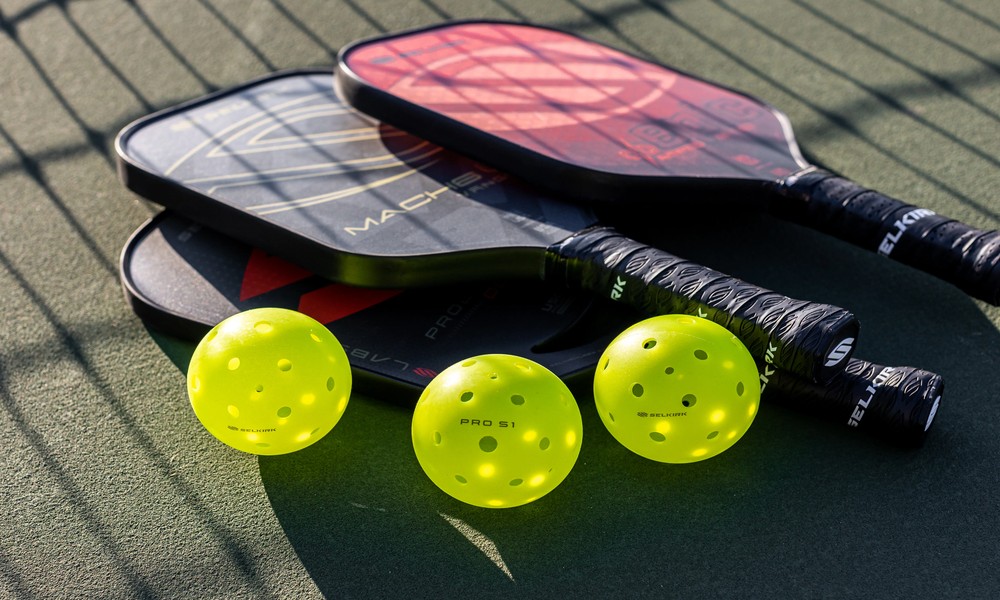
The Paddle You Choose Decides the Player You Become
Two players. Same skill level. Same court. Same match.
One controls the game. The other reacts.
The difference often comes down to one thing. The pickleball paddle.
In 2026, paddles are no longer basic equipment. They are engineered for performance. Weight distribution, core construction, surface texture, and balance now define how you play.
Choose right, and your game evolves. Choose wrong, and you keep adjusting instead of improving.
What Really Matters in a Pickleball Paddle Today
Forget brand hype for a moment. A paddle is defined by four performance pillars.
|
Factor |
What It Controls |
|---|---|
|
Weight |
Power vs control balance |
|
Core Material |
Feel and response |
|
Surface |
Spin and shot precision |
|
Shape |
Sweet spot and reach |
These four elements work together. You cannot optimize one without affecting the others. The right paddle is always a balance, not a single feature.
Understanding this framework helps you make smarter buying decisions instead of chasing trends.
Weight, Where Power Meets Control
Weight is the first and most noticeable factor in any pickleball paddle.
|
Weight Type |
Performance Impact |
|---|---|
|
Lightweight |
Faster reactions, more control |
|
Midweight |
Balanced performance |
|
Heavyweight |
More power, less maneuverability |
Light paddles help at the net. Heavy paddles help from the baseline. Midweight paddles offer the safest all-round choice.
If you play fast exchanges and rely on touch, go lighter. If you drive the ball harder, slightly heavier works better. Most players settle into midweight as they progress.
Core Material, The Engine of the Paddle
The core defines how the ball feels when it leaves your paddle.
|
Core Type |
Key Characteristics |
|---|---|
|
Polymer |
Soft feel, high control |
|
Nomex |
Hard feel, more power |
|
Aluminum |
Balanced control and light weight |
Polymer cores dominate modern pickleball because they offer better control and reduced vibration. Nomex cores are louder and more aggressive. Aluminum sits in between but is less common.
Your core choice should match your style. Control players prefer polymer. Power hitters may prefer Nomex.
Surface Material, Where Spin Is Created
The paddle face is where performance becomes visible.
|
Surface Type |
Performance Advantage |
|---|---|
|
Fiberglass |
More power and pop |
|
Carbon Fiber |
Better control and spin |
|
Graphite |
Lightweight and responsive |
Surface texture also plays a major role. Rougher surfaces generate more spin and improve shot placement.
In 2026, carbon fiber paddles are gaining popularity due to their balance of control and spin. Fiberglass still leads for power.
Paddle Shape, The Sweet Spot Strategy
Shape determines forgiveness and reach.
|
Shape Type |
Benefit |
|---|---|
|
Wide Body |
Larger sweet spot, more control |
|
Elongated |
Extra reach and power |
|
Standard |
Balanced performance |
Wide paddles are easier for beginners. Elongated paddles reward precision with more reach. Standard shapes offer versatility.
If consistency matters most, go wide. If you want reach and attacking angles, elongated shapes are more effective.
Grip Size: The Silent Performance Factor
Grip size is often ignored, but it directly impacts control and comfort.
|
Grip Size |
Effect |
|---|---|
|
Small |
More wrist action and spin |
|
Medium |
Balanced feel |
|
Large |
Stability and reduced wrist strain |
A wrong grip affects your entire game. Too small leads to over-gripping. Too large reduces control.
The ideal grip allows a small gap between fingers and palm. That balance ensures comfort and control during long matches.
Performance vs Price: Where Value Lies
Not every expensive paddle is the right paddle.
|
Price Range |
What You Get |
|---|---|
|
Entry Level |
Basic control and durability |
|
Mid Range |
Balanced performance features |
|
Premium |
Advanced materials and spin control |
The best value usually sits in the mid-range category. Premium paddles offer refinement, but only if your skill level can use it.
Buying above your level often leads to underutilization. Buying below your level limits growth.
Featured Snippet Answer
A pickleball paddle should be chosen based on weight, core material, surface, shape, and grip size. Lightweight paddles improve control, polymer cores enhance feel, textured surfaces increase spin, and the right shape improves consistency. The best paddle balances performance and value based on your playing style.
Quick Buying Checklist
✔ Choose weight based on your playing style
✔ Match core material to control or power preference
✔ Select surface for spin or power
✔ Pick shape based on forgiveness or reach
✔ Ensure correct grip size
✔ Balance performance with budget
The Real Upgrade Most Players Miss
Most players think improving their game means practicing more. That is true. But the right paddle accelerates that improvement.
When your pickleball paddle aligns with your playing style, shots feel more natural. Control improves. Confidence increases.
You stop adjusting to your equipment and start playing your natural game.
Final Takeaway: Choose Smart, Play Better
A pickleball paddle is not just equipment. It is an extension of your playing style.
In 2026, performance differences come down to small details. Weight balance, material response, grip comfort. These are not minor factors. They are performance drivers.
Because the right paddle does not just improve your shots.
It improves your entire game.
What matters most to you in a pickleball paddle, control, power, or spin? Share your experience below.
