

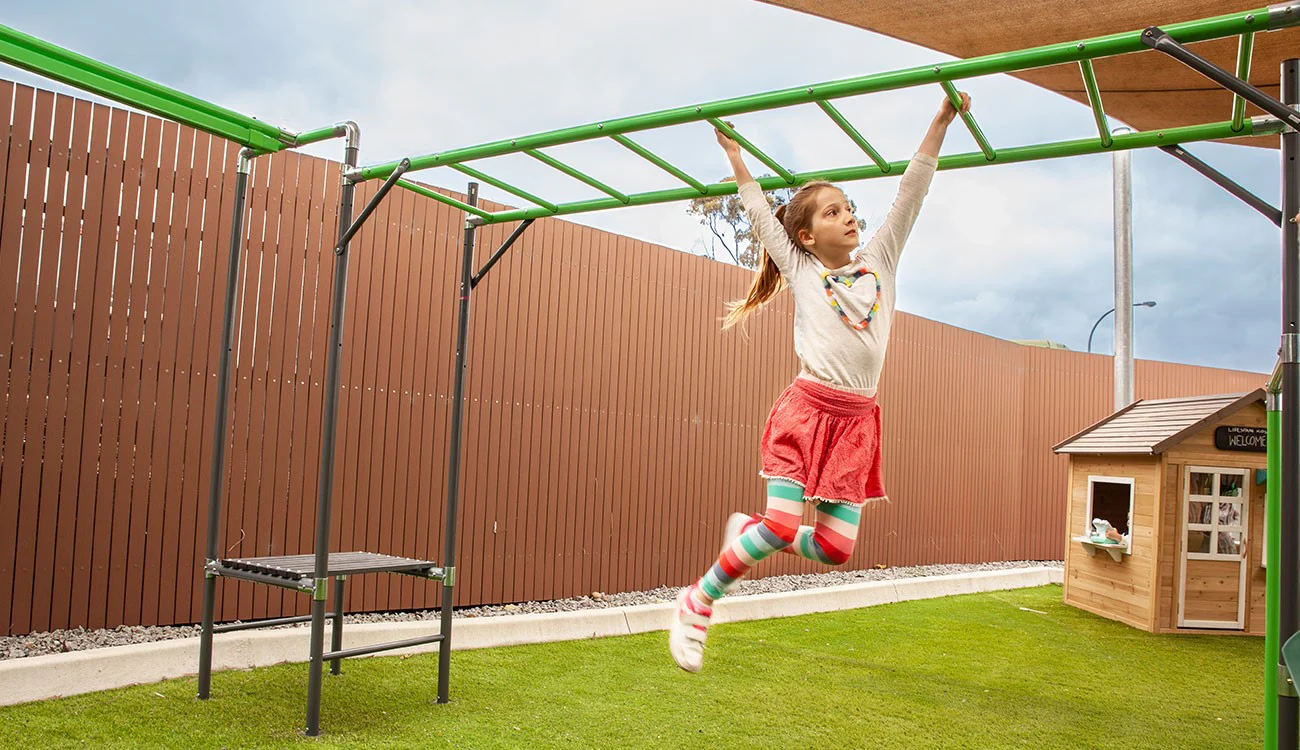
Climbing has rapidly grown in popularity over the past decade—not just as a sport, but as a form of play, exercise, and even therapy. As indoor climbing gyms expand and home setups become more common, many parents and beginners wonder about the safety of using climbing bar blocks, especially for young children and those new to climbing. One notable option in this space is the Bar d’escalade Vertical Bloc, which has drawn attention for its design and accessibility.
But is it truly safe for kids and beginners? Let’s examine the key factors that determine the safety of climbing bar blocks and what you should look out for.
Understanding Climbing Bar Blocks
A climbing bar block, or simply a climbing bar, is a compact structure designed to mimic climbing grips and movements in a controlled environment. These blocks are typically found in indoor climbing facilities, home gyms, or playgrounds. They vary in size, shape, material, and difficulty level and may include horizontal bars, vertical poles, or integrated holds similar to those used on bouldering walls.
They serve as a stepping stone for those learning how to climb, offering a chance to develop strength, coordination, grip, and balance.
Safety Factors to Consider
1. Design and Material Quality
The safety of a climbing bar block starts with its construction. Reputable models are built with high-quality, durable materials—often a combination of wood and metal—that can withstand dynamic movement and repeated impact. The design should offer smooth edges, anti-slip surfaces, and secure installation points to prevent accidents.
Before allowing children or beginners to use one, it’s essential to ensure the block is rated for their weight and skill level.
2. Age Appropriateness
Children’s climbing equipment must be specifically designed for their age group. Equipment intended for older kids or adults can pose safety risks such as improper grip size, bar spacing that encourages dangerous maneuvers, or heights that increase the chance of injury.
Parents should confirm the recommended age range and choose climbing bars that encourage safe, age-appropriate movement.
3. Installation and Stability
Whether installed indoors or outdoors, climbing bar blocks must be securely anchored. A poorly mounted structure can shift, tip, or collapse, especially under the dynamic forces generated during climbing. Always follow manufacturer instructions and, if necessary, consult a professional installer.
Home users should regularly inspect the system for loose bolts, worn-out components, or signs of instability.
4. Supervision and Instruction
Even with the safest equipment, proper supervision is crucial—especially for children and beginners. Adults should monitor use, ensure that safety rules are followed, and teach climbers how to mount and dismount properly.
Structured climbing lessons or guided playtime help children build confidence and motor skills in a secure setting.
5. Safety Surfacing
Climbing involves falls. That’s part of the learning process. However, the surface beneath a climbing bar block must be cushioned to minimize injury. Common options include padded gym mats, foam flooring, or rubberized safety tiles.
For outdoor installations, engineered wood fiber or poured-in-place rubber is often recommended.
Is It Safe for Beginners?
When chosen wisely and used correctly, climbing bar blocks are very safe for beginners. They allow gradual skill development without the intimidation of full-height climbing walls. Most importantly, they teach the basic movements and muscle control needed for more advanced climbing activities later on.
Beginners should start with low-height setups, take breaks often, and focus on mastering fundamental skills such as grip strength, core control, and safe falling techniques.
Conclusion
A climbing bar block like the Bar d’escalade Vertical Bloc can be a safe and highly beneficial tool for kids and beginners—as long as safety measures are followed. With proper supervision, age-appropriate design, and quality installation, these structures offer a fun and effective way to develop climbing skills in a controlled environment. As always, the key to safety lies in thoughtful setup, regular maintenance, and responsible usage.
